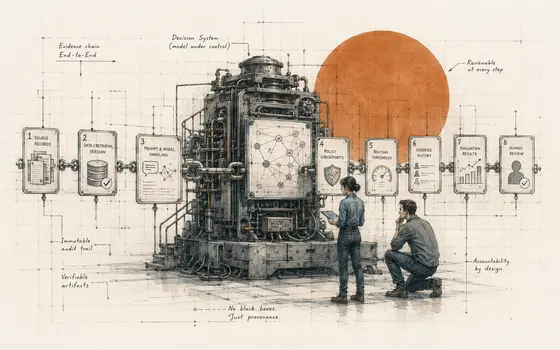
"If you write it, you run it" sounds like a bumper sticker until production enforces it.
The phrase matters because it collapses a gap software teams have spent decades creating. Design happens over here. Delivery happens over there. Operations inherits the consequences. Then everyone is surprised when architecture choices made for elegance behave differently under outage, politics, budget, and fatigue.
Ownership changes the design conversation.
A perfectly designed system that crashes because of a deployment mistake was not finished being designed. It had not absorbed the operating reality yet. That is not a reason to shame the engineer. It is a reason to put feedback closer to the people making the choices.
Tech debt works the same way. Zero debt is a fantasy, and usually a dangerous one. Software starts aging the moment it ships because the business, dependencies, usage, and team all keep moving. The mature move is not pretending debt can be eliminated. It is negotiating pay-down time honestly with leadership before the interest starts dictating the roadmap.
AI will make this sharper. If the unit cost of code falls, the cost of ownership becomes more visible. Tests, specs, review, deployment, and maintenance do not disappear because syntax got cheaper.
Universal practices do not exist. Consequences do.
Related episode: Strong Opinions, Thoughtfully Held, With Dave Holbrook.